
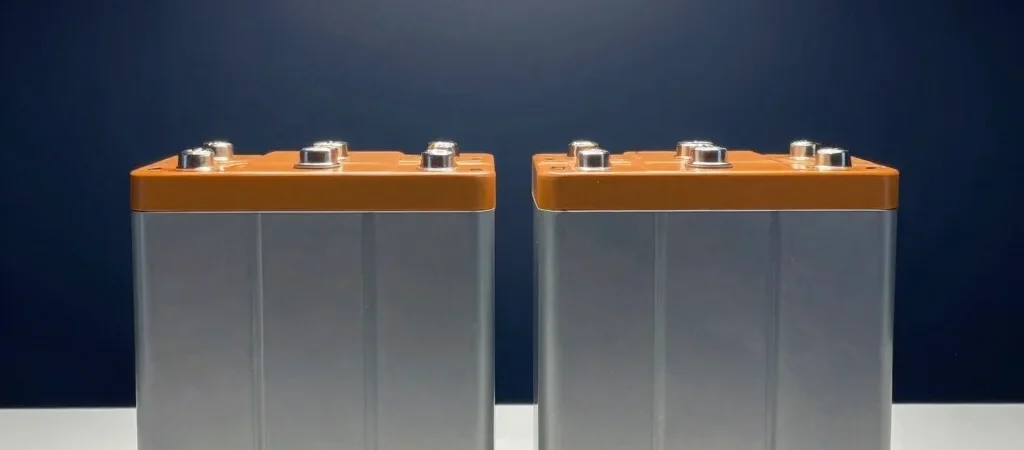
Choosing between standard nickel-manganese-cobalt lithium-ion and lithium iron phosphate, known as LiFePO4, comes down to balancing physical weight against total operating lifespan. While both technologies store electrical energy efficiently, their internal chemistry dictates drastically different performance profiles under heavy workloads. Selecting the right option requires evaluating whether portability or raw cycle durability matters more for your specific setup.
The Practical Edge of Standard Lithium-Ion
Standard lithium-ion chemistries deliver exceptional energy density, packing significant watt-hours into a remarkably lightweight frame. This high power-to-weight ratio makes them the undisputed choice for smartphones, laptops, and lightweight power tools where every ounce counts. However, this high energy density comes with a shorter overall lifespan, typically delivering around five hundred to eight hundred complete charge cycles before capacity degrades noticeably.
Why LiFePO4 Dominates Stationary Systems
LiFePO4 batteries trade immediate energy density for extreme physical stability and phenomenal cycle counts. A typical LiFePO4 cell can endure over three thousand complete charge cycles while maintaining eighty percent of its original capacity, making it exceptionally economical for long-term power storage. While these cells weigh roughly thirty percent more than standard lithium-ion options of equal capacity, their resistance to thermal breakdown makes them ideal for solar arrays and home backup systems.
Matching Chemistry to Daily Demands
If your priority is carrying portable energy in a backpack or briefcase during daily commutes, standard lithium-ion remains the clear winner. Conversely, for off-grid camper vans, uninterrupted power supplies, or residential emergency storage where equipment remains stationary, LiFePO4 provides superior safety and lower cost per watt-hour over a decade of use.