
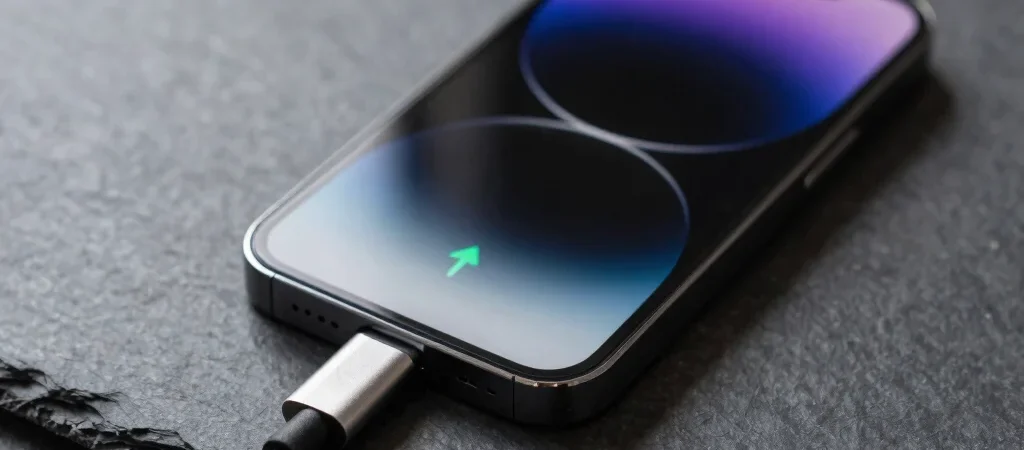
Modern smartphone batteries rely on lithium-ion chemistry that inevitably degrades over time, but aggressive power-saving modes often do more harm to user experience than good. Instead of shutting off location services and dimming your screen to unreadable levels, focusing on extreme state-of-charge stress yields far better long-term health. Understanding how voltage stress impacts your device allows you to keep your phone fast while preserving its internal capacity.
Understanding Heat and High Voltage Stress
Lithium-ion cells suffer the most physical stress when held at full capacity under elevated temperatures. Charging your phone overnight on a soft mattress traps ambient heat, accelerating chemical breakdown inside the cathode. Keeping your device out of direct sunlight and using a flat, hard surface during fast charging sessions dramatically reduces internal stress during peak power flow.
Setting Realistic Daily Charge Limits
Operating between twenty and eighty percent charge capacity can significantly increase total charge cycles compared to full daily discharges. Many modern operating systems include built-in battery protection toggles that halt incoming current at eighty percent until you actually need a full top-off. Turning this setting on eliminates hours of trickle charging spent at maximum voltage while you sleep.
Managing True Background Power Hazards
Unused applications refreshing in the background rarely consume significant power compared to high-brightness displays and weak cellular signals. When your phone struggles to maintain a connection to a distant cell tower, its transmitter increases power output considerably, generating internal heat and draining the battery quickly. Switching to Wi-Fi networks when available reduces this transmission load and protects overall cell health.